Indoor and beach volley nets
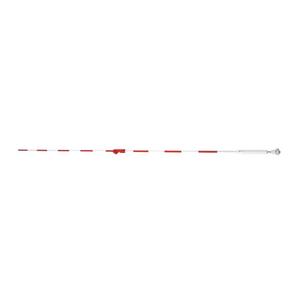


Competition, training or sand: which net to put on your volleyball posts? The nets on this page are first chosen based on the surface, indoor or beach, then according to use, and come with antennas and replacement cables. Some recreational nets are included for playing with family.
Competition or training net: the difference
A competition net is designed to be stretched tightly for a long time, featuring a reinforced top band and a tension cable or rope. The competition nets on this page are advertised as 9.50 m by 1 m, made from polypropylene or braided polyethylene. A training net, which is simpler, is suitable for practice sessions and casual play. For a club, the competition net is kept for the main court.
Braided, cable, rope: reading a net's specifications
The name of a net indicates its material, the thickness of the thread, and the type of tension. A thicker thread withstands repeated hits better. The tension cable keeps a straight line at the top of the net, whereas the rope is easier to handle. This information is included in the name of the nets on this page.
Beach volleyball nets
Beach nets withstand outdoor conditions, including sun, humidity, and sand. The ones on this page come with a cable or rope for tension. The beach Powershot net and complete beach-volleyball kits, which include net and posts, allow you to set up a court on a beach or in a garden.
Leisure nets: Crossnet, Triball, multi-nets
For a different way to play, the Crossnet net from Hammer creates a cross court for four players, while the Triball Fun from Park & Sun offers a multi-court game. The multi-net from Hudora sets up easily for family play. These nets are aimed at leisure, not competition.
Replacement antennas and cables
The net antennas mark the play area above the net and are replaced when they break. The replacement cable Sporti replaces a worn cable without needing to change the entire net. A club often keeps a spare set of antennas.
Emdé, Sporti, Tremblay CT: the brands of nets
Emdé offers competition and training nets, both indoor and beach. Sporti provides cables and replacement nets. Tremblay CT makes nets for clubs. Park & Sun focuses on leisure, Softee completes the range, and Powershot offers match and beach nets.
Other pages and good deals
To hold the net, the volleyball posts have their own page, and the training accessories include the rest of the session equipment. The page special equipment offers gathers discounted nets, and the page special beach offers has the best deals for the sand.
Frequently Asked Questions
How to set up a volley net?
Attach the net to the posts, then pull the top cable or rope until it’s nice and straight. Then adjust the tension at the bottom. Check the height at the centre of the court with a measuring tape, according to the category playing.
Can a volley net stay outside all year?
Even a beach net can suffer in the sun and humidity if it’s left up permanently. Take it down after the season and store it in a dry place. It will last much longer.
What are the antennas of a volley net for?
They mark the side boundaries of the area for the ball to pass over the net. A ball that touches them or goes outside is a fault. They attach to the net, above the side lines.
At what height should the volley net be stretched?
In adult competitions, the top edge is set at 2.43 m for men and 2.24 m for women, measured at the centre of the court. Youth categories have different heights: check your league's rules. If the club hosts official matches, keep the competition net for the main court.
How to know if a net is compatible with my posts?
Check the length of the net and the tension system provided by the posts. The product specification will clarify this information. If in doubt, ask the gym facilities manager.