Protection for volleyball-ball
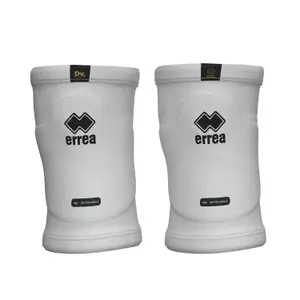
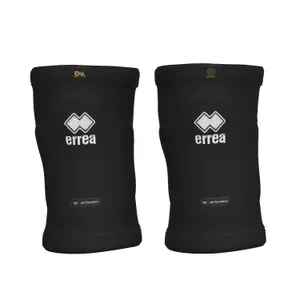

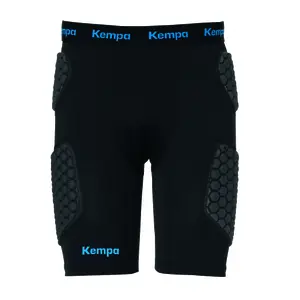
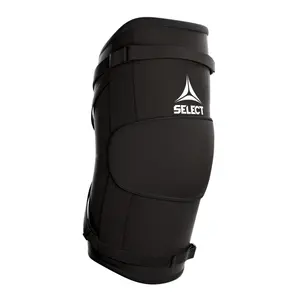
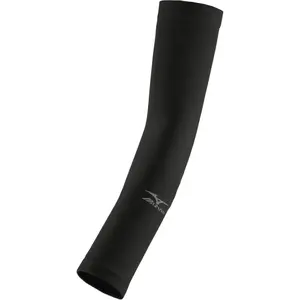
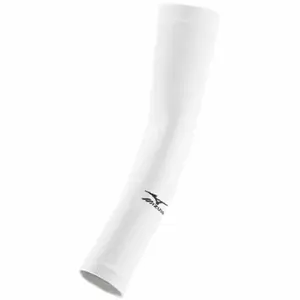
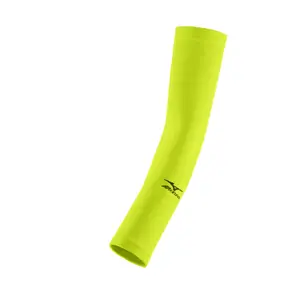
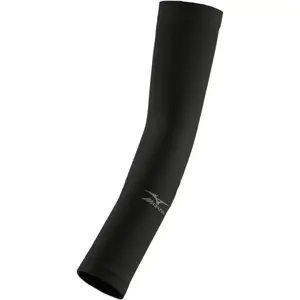
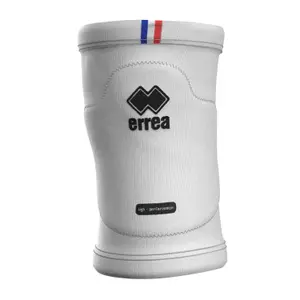
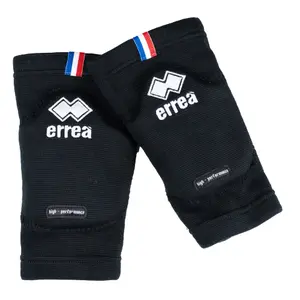


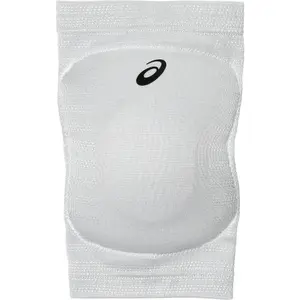


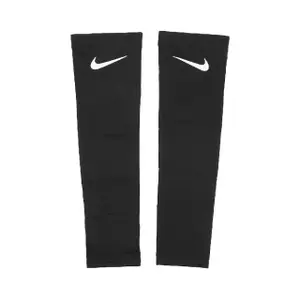


Knee pads, elbow pads, ankle supports, sleeves, base layers and compression shorts: volleyball protections support every movement, from diving in defence to receiving a jump at the net.
First, choose the area to protect, then the level of support and the size.
Knee pads, elbow pads, ankle supports: where to start
The knee pad is the first piece of protection for a volleyball player: it absorbs falls to the ground, dives, and low defensive plays. Elbow pads protect the elbows during lateral dives. The ankle support stabilises the most affected joint at the net when a blocker lands on an opponent's foot. Sleeves protect the forearms during reception.
Compression: base layers, shorts, and sleeves
Compression includes base layers, shorts, and body-hugging sleeves. They support the muscles during exertion, keep you warm, and are worn under the match kit. Players often wear shorts underneath their shorts.
By type or brand: two entry points
The types of protection page categorises products by area, including knee pads, elbow pads, ankle supports, sleeves, or compression. The brands of protection page helps you find your favourite models. The best sellers page showcases the most popular protections, while the new arrivals page features the latest models.
Tokyo, VS1, Dri-FIT: the brands behind the protection
Errea is the most prominent brand, with its Tokyo knee pads and base layers. Mizuno offers the VS1 knee pad along with elbow pads and compression sleeves. Nike focuses on its Dri-FIT sleeves and Pro Elite. Asics brings its Gel knee pad, adidas offers its Techfit base layers and sleeves, and McDavid provides its Hex protections.
Choosing the right size of protection
A protection that is too tight restricts circulation, while one that is too loose slips during play. Use a tape measure to measure the knee, elbow, or ankle, then check the size chart. The junior sizes on the page are suitable for young players.
Injury: the reflex to have
Protection prevents impacts and provides support, it does not heal. A lasting pain or injury should first be shown to a healthcare professional before returning to the court. They will advise if a specific protection is needed.
Discounted protections
The discounted protections are listed on the special offers on protections page. During the end-of-year event, the Black Friday protections page brings them together, followed by the sales on protections. The clearance protections page features discontinued items.
Frequently asked questions
Are knee pads mandatory in volleyball?
No, they are not required by the rules, but the vast majority of players wear them. They prevent burns and impacts on the ground when defending. Liberos and defenders find them essential.
Do you need different protections for beach-volleyball?
On sand, falls are softer, and players rarely wear knee pads. Some keep an ankle support or a sleeve. The heat also makes protections more uncomfortable.
When should a volleyball knee pad be replaced?
When the foam gets crushed, the fabric stretches, or the knee pad slips during play. Worn-out protection offers less support. For a regular player, this happens after one to two seasons.
How do you wash volleyball protections?
A gentle cycle at a cold temperature with protections placed inside a mesh bag is enough. Avoid tumble drying and radiators, as they damage the foams and elasticity. Let them air dry.
What protection for a libero who dives often?
The knee pad is essential, along with elbow pads if you dive a lot on the side. What matters is the level of cushioning on the support area and a size that doesn't slip during the game. The detailed sheets outline the support of each model.