Volleyball and indoor shoes


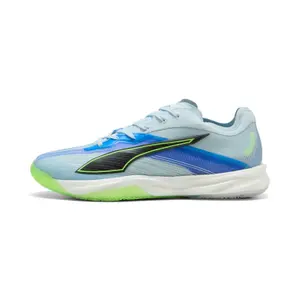
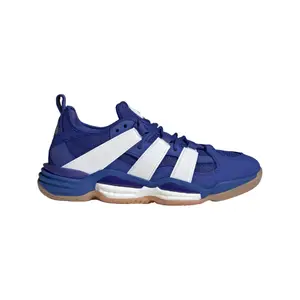
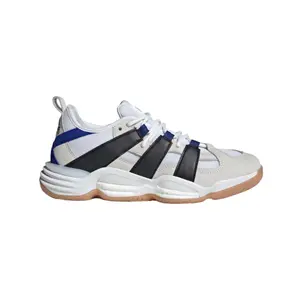
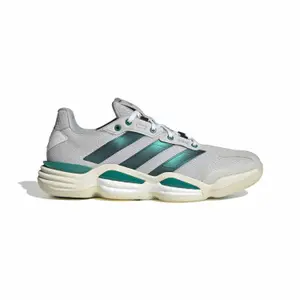
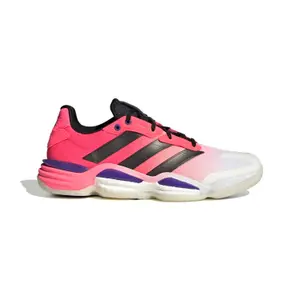
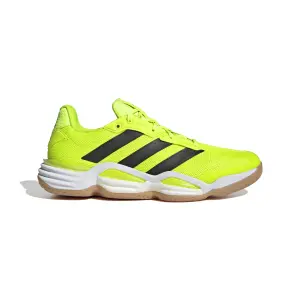
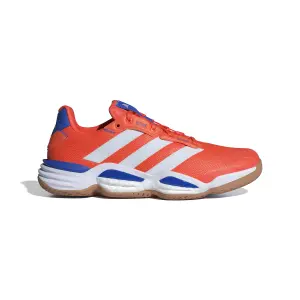
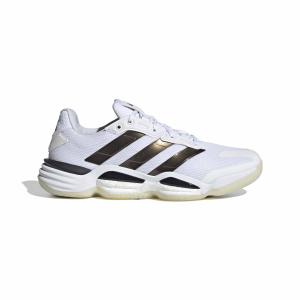

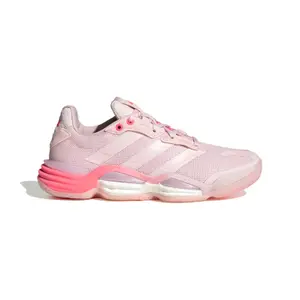
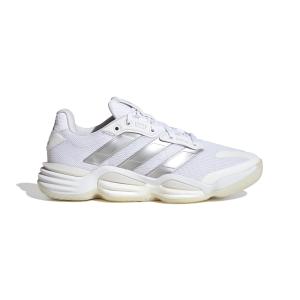
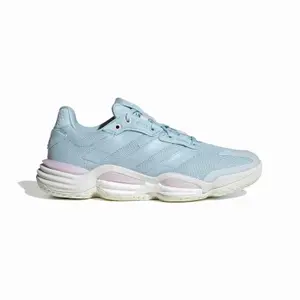
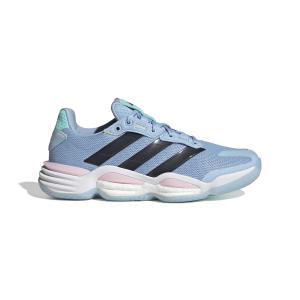
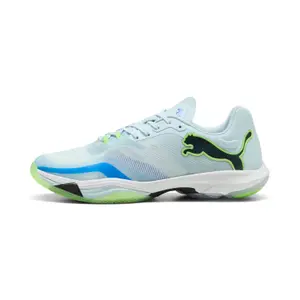


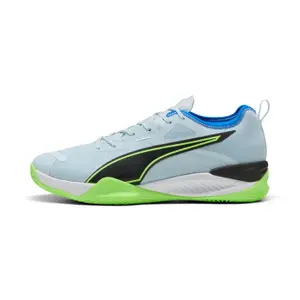


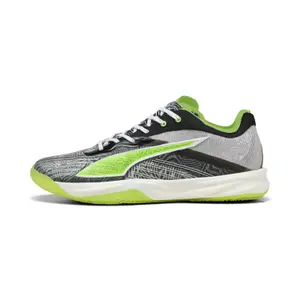
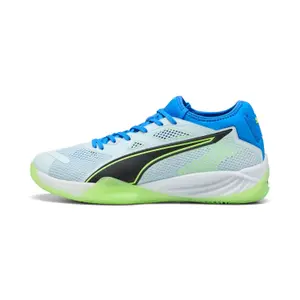
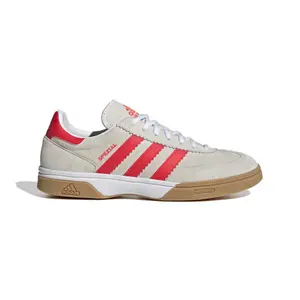
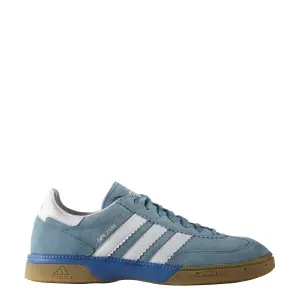
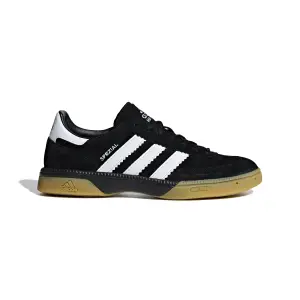
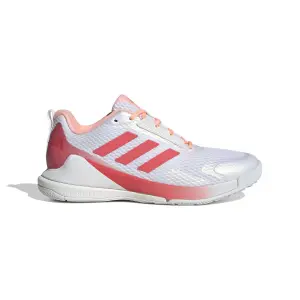

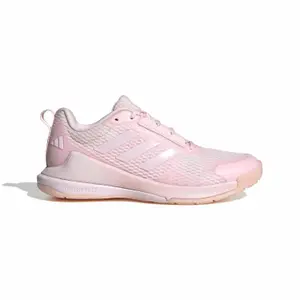
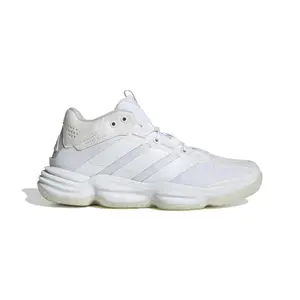
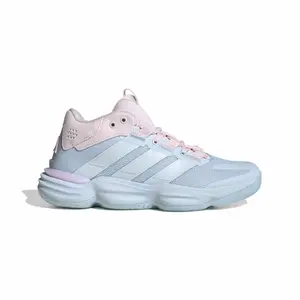
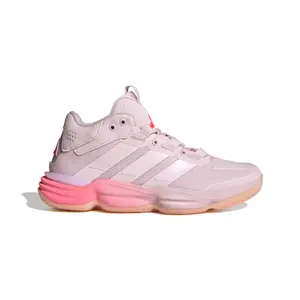

Indoor volleyball shoes for jumping and defending, styles with enhanced support, low or mid tops, junior sizes: the page for volleyball and indoor court shoes brings together everything for the court. Indoor shoes are front and centre, for players, athletes, and youngsters.
Filter by brand, sport, or size to find the model that suits you best.
Shock absorption, grip, support: the requirements of an indoor shoe
An indoor volleyball shoe needs to do three things: absorb the impact upon landing after a jump, grip the floor during lateral movements, and keep the foot stable when changing direction. The rubber sole, often light-coloured to avoid marking the gym floors, provides this grip. The cushioning is focused under the forefoot, where the jump begins and lands. A running shoe, designed for moving straight ahead, lacks the grip and lateral support needed.
Middle blocker, libero, or setter: the shoe matches the position
The middle blocker and hitter jump at every rally: they prioritise cushioning and quick recovery. The libero and reception-hitter often stay low, looking for stability and a reinforced toe that can withstand abrasion. The setter needs a lightweight and responsive shoe to keep up with every ball. For recreational play, a versatile indoor shoe covers all positions.
Mid or MT, the collar that wraps around the ankle
The low collar allows for ankle freedom and reduces the shoe's weight: this is the choice of most players. The mid-top version, often termed Mid or MT depending on the brand, offers more ankle coverage and reassures players coming back from an ankle sprain. It doesn’t replace an ankle brace, but it provides extra support.
Models from other sports: worth noting
This page also features a few shoes designed for other court or racket sports. Those for indoors, like the Stabil from adidas or the Eliminate from Puma, focus on lateral support and suit recreational volleyball, albeit at a slightly heavier weight. Racket models have soles made for the court and aren’t suitable for indoor use. The sport filter allows you to display only volleyball.
Asics, Mizuno, Nike, adidas: the brands for indoor
Asics covers all levels, from the Gel-Rocket for beginners to the Sky Elite FF designed for jumping. At Mizuno, the Wave plate is a common feature: stability with the Wave Momentum, and lightness with the Wave Lightning. Nike focuses on the Hyperace, with cushioning at the forefoot, and also offers the Hyperset in its range. adidas showcases the Crazyflight, its volleyball shoe, and the Stabil, which is more focused on support. Hummel provides indoor shoes, and Joma rounds off the collection with its indoor shoes.
By profile and brand: pages to explore
- Players can find their sizes on the men's shoes page.
- Female players have their tailored fits on the women's shoes page.
- Young players can find their first indoor shoes on the junior shoes page.
- The most sought-after models are gathered in the best-sellers shoes.
- The latest arrivals are on the new arrivals shoes page.
- Puma offers indoor shoes, featuring its Nitro foam.
- Salming gathers indoor shoes for court sports.
- Rigorer and Peak complete the selection with their own models.
Discounted indoor shoes
The pairs on sale all year round can be found on the special offers shoes page. When a colour is discontinued, it goes to the clearance shoes. Major sales events follow their usual order: the Black Friday shoes at the end of autumn, followed by Christmas, then the shoe sales.
Frequently asked questions
Can you play volleyball in running shoes?
It's best to avoid it. Designed for forward running, a running shoe can slip on the court and let the foot slide sideways. This increases the risk of spraining an ankle. An indoor shoe, even an entry-level one, is safer.
Should you choose half a size up for an indoor shoe?
Not necessarily. The best tip is to ensure there's a finger's width in front of the longest toe, with sports socks on. Some models may fit small: the product page and brand guide will indicate this. Try your shoes on at the end of the day, when your feet have swelled.
How often should you replace your indoor shoes?
With two or three sessions per week, expect to get about a season of play out of them. Signs of wear include a smooth sole that slips and cushioning that no longer rebounds. Keep your indoor shoes for the court to make them last longer.
Can a handball shoe work for volleyball?
Yes, for recreational play and defensive positions, thanks to its lateral support. It is often a bit heavier and less focused on jumping than a volleyball shoe. An attacker playing competitively will be better off with an indoor shoe specifically designed for volleyball.
How do you clean indoor shoes?
A quick wipe with a damp cloth on the sole at the end of the session will restore its grip. Clean the upper with lukewarm soapy water, avoiding the washing machine, which can detach soles. Let them air dry, away from radiators.