Volley and beach volley balls

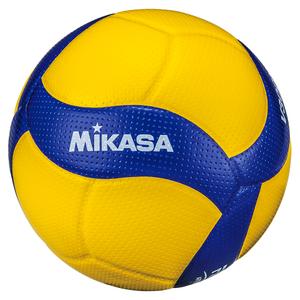
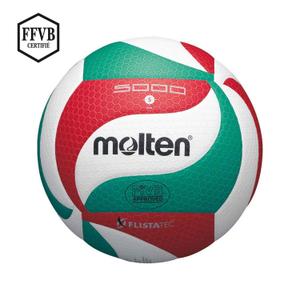
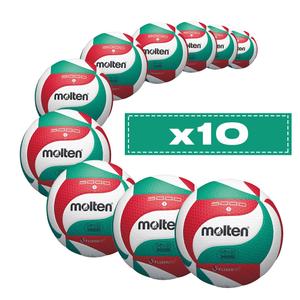
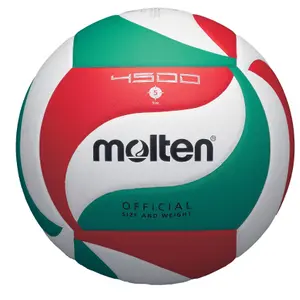

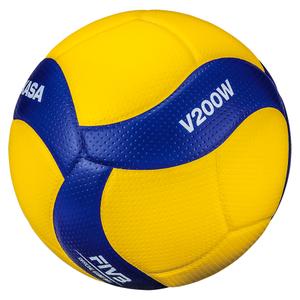
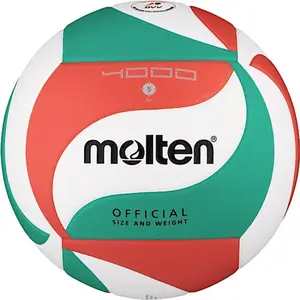

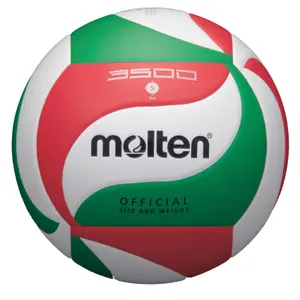
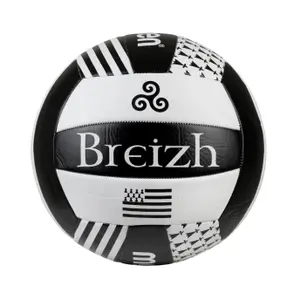
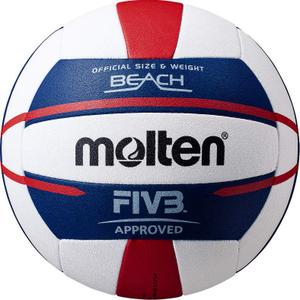

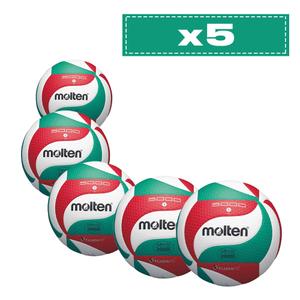

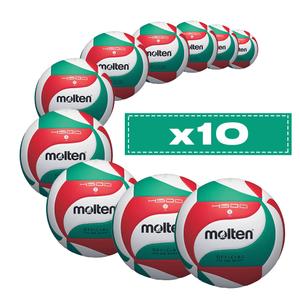
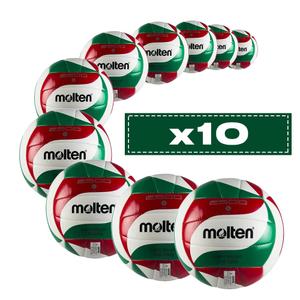


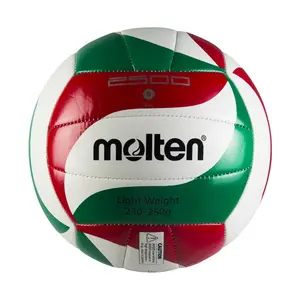

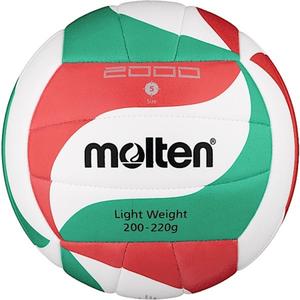
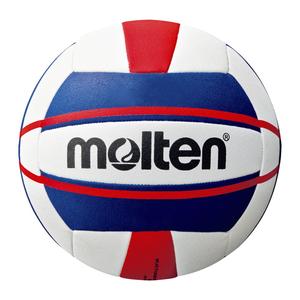
Competition balls, training balls, beach-volley balls, lightweight balls for kids and club packs: this page brings together volley balls for indoor and sand play, from official matches to games with friends.
First, choose the type of court, then the use and size.
Hard court or beach: why the ball changes
The indoor ball is harder and more lively, designed for hard courts. The beach volley ball is softer, a bit larger in feel, and made for wind, sand, and moisture. They are not interchangeable: an indoor ball on the sand performs poorly, while a beach ball indoors lacks speed.
Competition, training, leisure: three uses
The competition ball offers the most precise touch, with a certification noted on its label. The training ball withstands repeated sessions. The leisure ball, more affordable, is played outdoors or on holiday. A club often reserves its match balls for competitions.
Size 5 and lightweight balls
For adults, both the indoor and beach balls are size 5. For juniors, there are lighter balls or size 4, which are easier to play in a set. Check with your league for the ball category required in junior competitions.
Types, brands, lots: the ball pages
The page types of balls sorts the models by use. The page ball brands helps you find your brand. The ball lots equip a club, and the ball accessories include bags and pumps. The page best sellers shows the most popular choices, and the page new arrivals features the latest additions.
Molten, Mikasa, Wilson: the ball brands
Molten leads the page with the V5M5000, its FIVB approved match ball. Mikasa, the ball of major FIVB competitions, responds with the V200W and V300W. Wilson predominantly rules the sand, with the OPTX AVP from the American professional circuit and the white and red ball from the film Cast Away. Nike, Softee, and Erima complete the range with training and leisure balls.
Inflating and maintaining a ball
Each ball indicates its pressure next to the valve. A gauge helps to maintain this. An over-inflated ball causes pain to the forearms, while an under-inflated ball loses its trajectory. Clean it with a slightly damp cloth and store it in a dry place.
Discounted balls
The discount balls are on the page special offers on balls. During the end-of-year event, the page Black Friday balls gathers them together, then the ball sales take over.
Frequently asked questions
Which volleyball to choose for beginners?
A soft training ball, size 5 for an adult or lighter for a child. It forgives touch errors and causes less pain to the forearms. You can upgrade to a competition ball as you progress.
What pressure to inflate a volleyball indoors and on the sand?
Indoors, the international rule sets the pressure around 0.30 to 0.325 bar. A beach ball is played at a lower inflation, around 0.175 to 0.225 bar. Each ball indicates its recommended pressure near the valve: a gauge helps to maintain it.
How to tell if a beach ball is of good quality?
Check its construction, sewn or glued, and its certification on the label. A competition beach ball retains its shape in wind and humidity. A leisure ball is suitable for holidays.
Does a volleyball deflate over time?
Yes, a little, like any ball. Check the pressure before each session. A rapid loss may signal a damaged valve.
What ball to give to a volleyball player?
A competition ball from their favourite brand, or a beach ball for the summer. The ball from the film Cast Away by Wilson is a well-received nod.