Knee pads for volley-ball
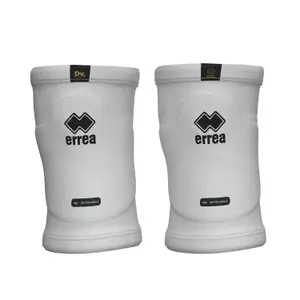
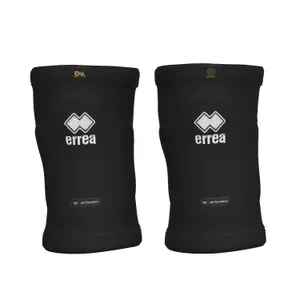

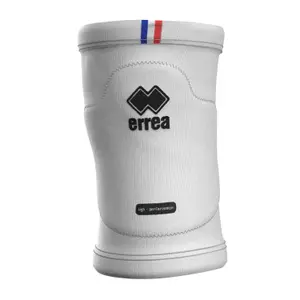
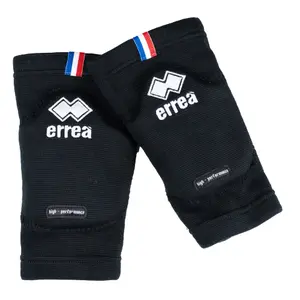


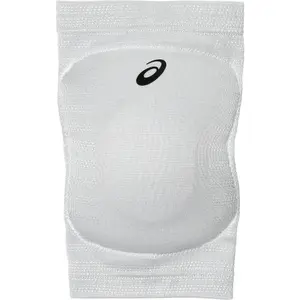


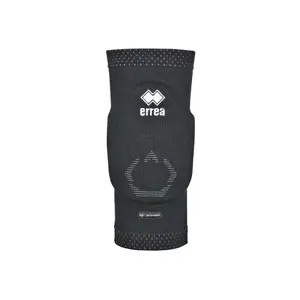
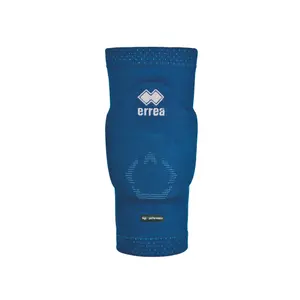

How many times does a libero kneel on the floor during a match? Enough for a good pair of knee pads for volleyball to change the way they defend. This page brings together models for all positions, from the lightest to the most padded, in adult and junior sizes.
Light or thick padding: depending on your position
A light knee pad is suitable for a hitter or a middle blocker, who jumps a lot and stays off the ground more. A libero or receiver-hitter chooses thicker padding to absorb dives and low support defenses. The setter is in between the two, depending on their playing style.
Closed or open back designs
Most knee pads are closed sleeves that go on through the foot. Some, like the Open Back from Mizuno, are open at the back of the knee to prevent bunching and heat. It's a comfort choice in a low position.
Junior knee pads
The page includes junior-sized knee pads for young players who are learning ground defenses. A size that fits them better provides more confidence for diving. The child team from Mizuno is an example.
Tokyo, VS1, Gel, Hex Force: six brands of knee pads
Errea offers the Tokyo, which is very present in club colours, and the two-tone Tokyo Evolution. Mizuno focuses on the VS1, the most highlighted knee pad on the page, and the Team. Nike adds its volleyball knee pads. Asics brings the Gel knee pad in six colours, McDavid the Hex Force, and Select multi-sport models.
Measuring your knee circumference
The knee circumference is measured standing, with the leg slightly bent, at the spot each brand indicates, often at the knee cap level, and is checked against the size chart. The knee pad should stay in place without slipping during movement and not be tight behind the knee. If you're unsure between two sizes: the smaller one stays better during dives, while the larger one can be worn longer without discomfort.
When to change knee pads
When the foam becomes compressed, the fabric stretches out, or the knee pad slips during movement, it provides less protection. With several sessions each week, a pair rarely lasts more than two seasons.
Elbow pads, ankle supports, and discounted knee pads
To complete, elbow pads protect the elbows and ankle supports provide support for the ankles. The discounted knee pads are on the page special offers on protective gear, and on the page Black Friday protective gear during the event.
Frequently asked questions
Should you wear one or two knee pads for volley?
Most players wear two, as both knees hit the ground while defending. Many models are sold in pairs. Some players only wear one on the knee that touches the ground the most.
Is a knee pad for volley worn over or under the sock?
It is worn against the skin, above the sock, centered on the knee cap. Some players slide it down under the knee during breaks. Always pull it back up before play resumes.
Open back or closed knee pad?
The closed sleeve goes on through the foot and stays in place. The open model at the back of the knee, like the Open Back from Mizuno, prevents bunching and heat in a low position. It's mainly a comfort issue.
What knee pad should a libero choose?
A libero defends and dives the most: they prefer thicker padding that fits well to prevent slipping when receiving a dive. Try the knee pad with your playing kit and check the size against the chart. A lighter model suits a hitter better.
Can a knee pad protect after an injury?
A volleyball knee pad cushions shocks, it does not heal. After a knee injury, a healthcare professional will guide the choice. They will let you know if a support model is necessary.