Arm and leg sleeves for volley
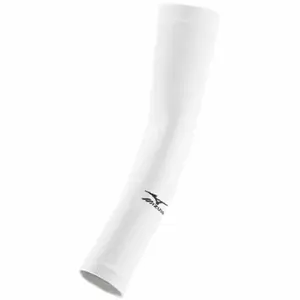
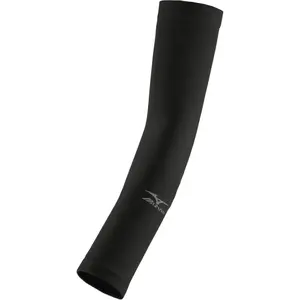
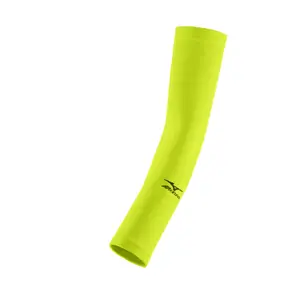
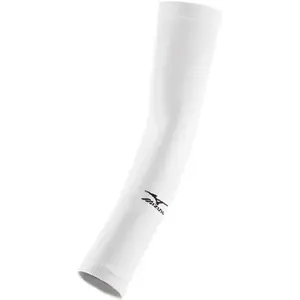
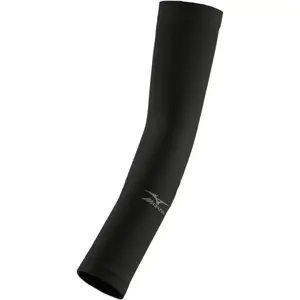
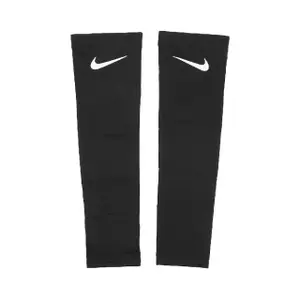
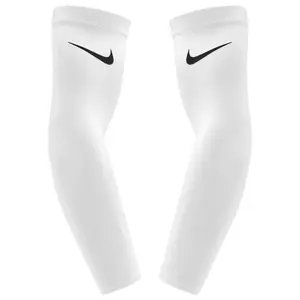
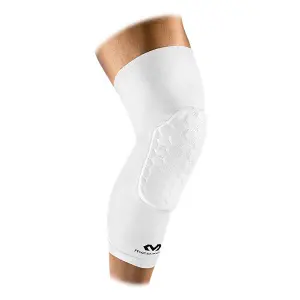
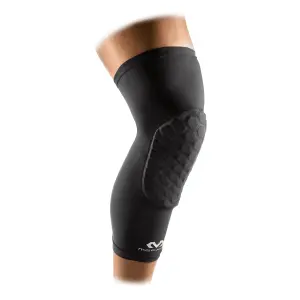

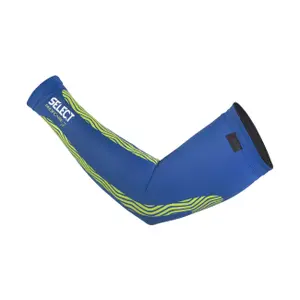
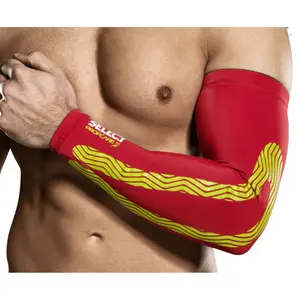


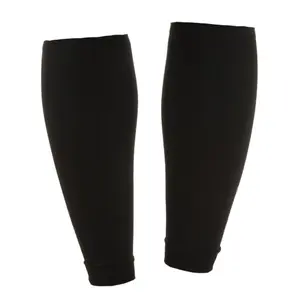
At reception, the forearm absorbs every opponent's serve: the volley sleeves protect it from redness and chafing, and keep the muscle warm between sets. This page brings together arm and leg sleeves, in compression or with light support.
Arm Sleeve: the Receiver and the Libero
The arm sleeve covers the forearm and elbow with a thin layer. It prevents red marks after a series of digs and limits burns during dives. Liberos and outside hitters are the first to wear them, but any player can benefit from them.
Leg Sleeve: the Calf Support
The leg sleeve supports the calf and keeps warmth during exercise. It can be worn alone or with a low sock. The Hex compression sleeve from McDavid and the Select sleeve are examples of this.
Compression or Light Support
Compression sleeves provide more tightness to support the muscle. The Dri-FIT sleeves from Nike, which are lighter, focus on sweat wicking. The choice depends on the desired feel.
The French National Team Sleeves
The page features sleeves in the colours of France, including a jade green libero compression sleeve and a navy blue and white sleeve. They appeal to both players and fans.
Mizuno, Nike, adidas: the brands on the page
Mizuno offers its arm compression sleeves, available in mixed or women's cuts, sold in pairs. Nike adds its Dri-FIT sleeves and Pro Elite. adidas focuses on women's and children's sleeves. Errea designs the sleeves for the French national team, Erima has plain arm sleeves, and Bauerfeind offers support sleeves.
Finding Your Sleeve Size
For an arm sleeve, measure around the bicep. For a leg sleeve, measure around the calf. Compare to the guide: the sleeve should fit snugly without slipping and without leaving marks.
Compression, Elbow Sleeves and Special Offer Sleeves
For more options, the compression page brings together undershirts and shorts, and the elbow sleeves protect the elbows. Discounted sleeves can be found on the special offers page.
How to Wear Your Arm Sleeve Properly
The arm sleeve should be worn from the wrist up to above the elbow, tightly fitted, without folds at the bend of the arm. Some players wear it lower to keep their elbow free, while others pull it up to the bicep to cover dives. Put it on before warming up, on dry skin, so it stays in place throughout the match. A sleeve that has lost its stretch from washing should be replaced, as it will eventually slide down to the wrist.
Frequently Asked Questions
Why do volleyball players wear sleeves?
To protect the forearms from redness during reception and burns on the floor. They also keep the muscles warm. It's as much a matter of comfort as it is style.
Should you wear one or two arm sleeves?
Most players wear two, as both arms receive the ball when digging. Many models are sold in pairs. Some players only wear one out of habit.
Does a compression sleeve really improve performance?
Manufacturers claim it helps with fatigue, but these effects are debated and vary from player to player. What’s certain is its use: to protect the skin from chafing, keep the muscle warm, and provide a feeling of support. Choose it for that comfort, not as a guaranteed advantage.
Are sleeves suitable for children?
Yes, as long as you choose a child size. adidas offers them for volleyball. A sleeve that is too large will slip during play.
How do you wash a volley sleeve?
At low temperature, inside out, without fabric softener. Avoid the tumble dryer. It will keep its elasticity for longer.