Beach volley balls




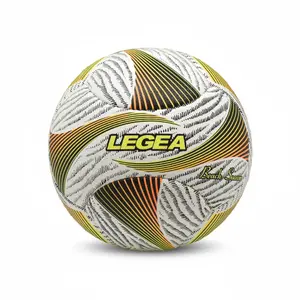


More flexible, less inflated and often stitched, the beach volley ball has almost nothing in common with the one from the gym: it’s designed to float in the wind and for barehanded hits on the sand.
The page brings together competition balls for tournaments, models designed for women's play and leisure balls for the beach, available individually or in packs.
Beach or indoor: why this ball is different
On the sand, we play two against two, with no roof or walls, just the wind and the sun. The beach ball is therefore less inflated than an indoor ball, making it more controllable and slightly slowing down the ball. Its panels are often stitched, a construction that copes better with sand and seawater. The FIVB regulations give it a slightly larger circumference than an indoor ball and a significantly lower pressure. The result: a softer touch, suited for long passes.
Sand tournaments: competition balls
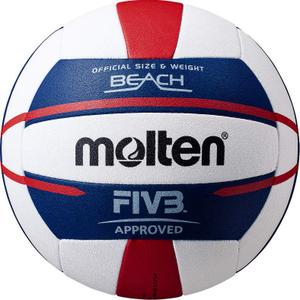
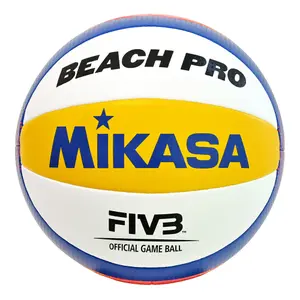
For playing in tournaments, the OPTX AVP from Wilson, the official ball of the American professional circuit, is the page's reference, with its Optic Flow graphics that help track the ball. At Molten, the V5B5000, certified by the FIVB, aims for consistent play. Mikasa rounds out the offering with its beach balls.
Women's beach-volley: dedicated balls
Molten offers two beach balls designed for women's play, the V5B5000 and the V5B1500. They are available individually and in packs, handy for a women's team preparing for its sand season.
Beach, camping, garden: leisure balls
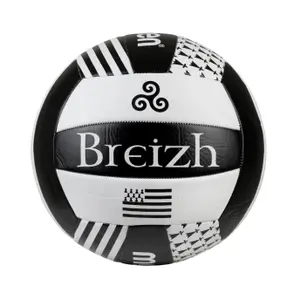
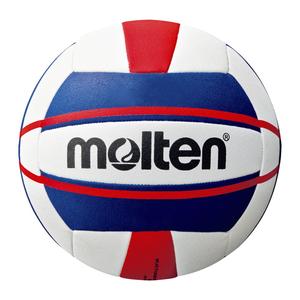
For a relaxed game, there's no need to aim for the tournament ball. The Molten V5B1300 Breizh, stitched in PVC, holds its pressure and withstands outdoor play. The Seul au monde ball from Wilson, in white and red, adds a cinema touch, and the V58R from Molten rounds out the selection.
Wilson, Molten, Mikasa: the sand brands
- Wilson: the OPTX AVP in bright yellow or fluorescent, and the ball from the movie Seul au monde.
- Molten: the V5B range, from the women's competition ball to the leisure Breizh ball.
- Mikasa: the beach balls from the brand of FIVB competitions.
Discounted sand balls and other types of balls
For indoor play, the training balls take over, and the types of balls page presents each category. To pay less, check out the beach special offers, the beach sales, or the Black Friday beach, which also include balls.
Frequently asked questions
What pressure for a beach-volley ball?
It is indicated near the valve of each ball, and it is lower than for an indoor ball. An overinflated ball becomes hard on the forearms and flies off with the slightest breeze. Check it before each session, as heat can affect it.
Can you play beach with an indoor volley ball?
For a quick fix, yes, but the experience is not as good. The indoor ball, firmer and faster, can hurt bare arms and doesn't cope well with damp sand. A beach ball lasts longer and makes the game more enjoyable.
How to clean a ball after the beach?
Rinse it with clear water to remove sand and salt, then let it dry in the shade. Salt and sun can damage the covering if they remain on it. Avoid leaving it in the car trunk during the peak of summer.
Is a women's beach ball smaller?
According to FIVB regulations, the beach-volley ball is the same for men and women: the difference lies in the height of the net, which is lower for women. Models labeled as women's primarily aim for touch. Check the specifications of each model and play with the ball selected by the tournament.
What ball to choose for a club opening a beach section?
Get a set of competition balls for training, like the OPTX AVP or the V5B5000, and one or two leisure balls for beginners. This way, everyone plays with the same ball. Add a pump and a bag to carry the equipment.